Few challenges in training are as pervasive (or misunderstood) as supporting college students with trauma. In line with the National Child Traumatic Stress Network, by age 16, almost two-thirds of youngsters in the US could have skilled not less than one doubtlessly traumatic occasion, from abuse and neglect to shedding a liked one or witnessing violence. These experiences don’t simply fade over time. They’ll have an effect on mind improvement, reminiscence, consideration, and emotional regulation. This makes it arduous for college kids to focus, behave appropriately, and even keep engaged in class. That usually interprets to tutorial struggles, habits points, and better dangers of absenteeism and dropping out.
Conventional self-discipline and classroom administration methods don’t at all times work for college kids impacted by trauma. That’s as a result of their habits could also be a response to unmet wants relatively than willful defiance. With this in thoughts, extra academics are actually turning to trauma-informed coaching to higher perceive and help their college students. One standout instance is Stefanie Lachenauer, New Jersey’s 2024-2025 Trainer of the Yr. Her story exhibits how studying about trauma can change all the pieces—not only for particular person college students however for whole college communities.
“I do not forget that time in my life was so difficult and tumultuous”
Stefanie’s path to trauma-informed educating started together with her personal experiences as a center college scholar. “I do not forget that time in my life was so difficult and tumultuous,” she advised the Resilience Matters podcast. These experiences, though difficult, helped her uncover the kind of instructor she needed to be. “I need to be that strong pressure there for [my students]. I need to be that regular rock. I need to be that one who, , can share all of the issues I want I knew and simply be there to hear and assist them on their journey.”
“They have been actually stressed … and so they didn’t have coping abilities.”
Early in her profession, Stefanie started to note that lots of her college students “have been actually stressed, like they have been experiencing stress and so they didn’t have coping abilities. And I used to be like, I’ve acquired to do one thing,” she remembers. Her response was to hunt out new instruments—first by way of yoga and mindfulness certifications and later by way of trauma-informed coaching.
One explicit scholar expertise stands out. “I used to be educating sixth grade social research, and there was a scholar whom I used to be within the corridor with typically, having crying meltdowns and infrequently simply sitting and being with him, which was useful. However I knew that there was extra to a number of the behaviors that I used to be seeing within the classroom and in addition a number of the issues about his background. There’s solely so many respiration practices, and this isn’t reducing it. I want to grasp extra about this.”
The second was a turning level. Stefanie realized that whereas mindfulness and yoga have been priceless, they weren’t sufficient on their very own. She wanted a deeper understanding of trauma and resilience to actually help her college students.
“I actually by no means believed that there was such a factor as a nasty child.”
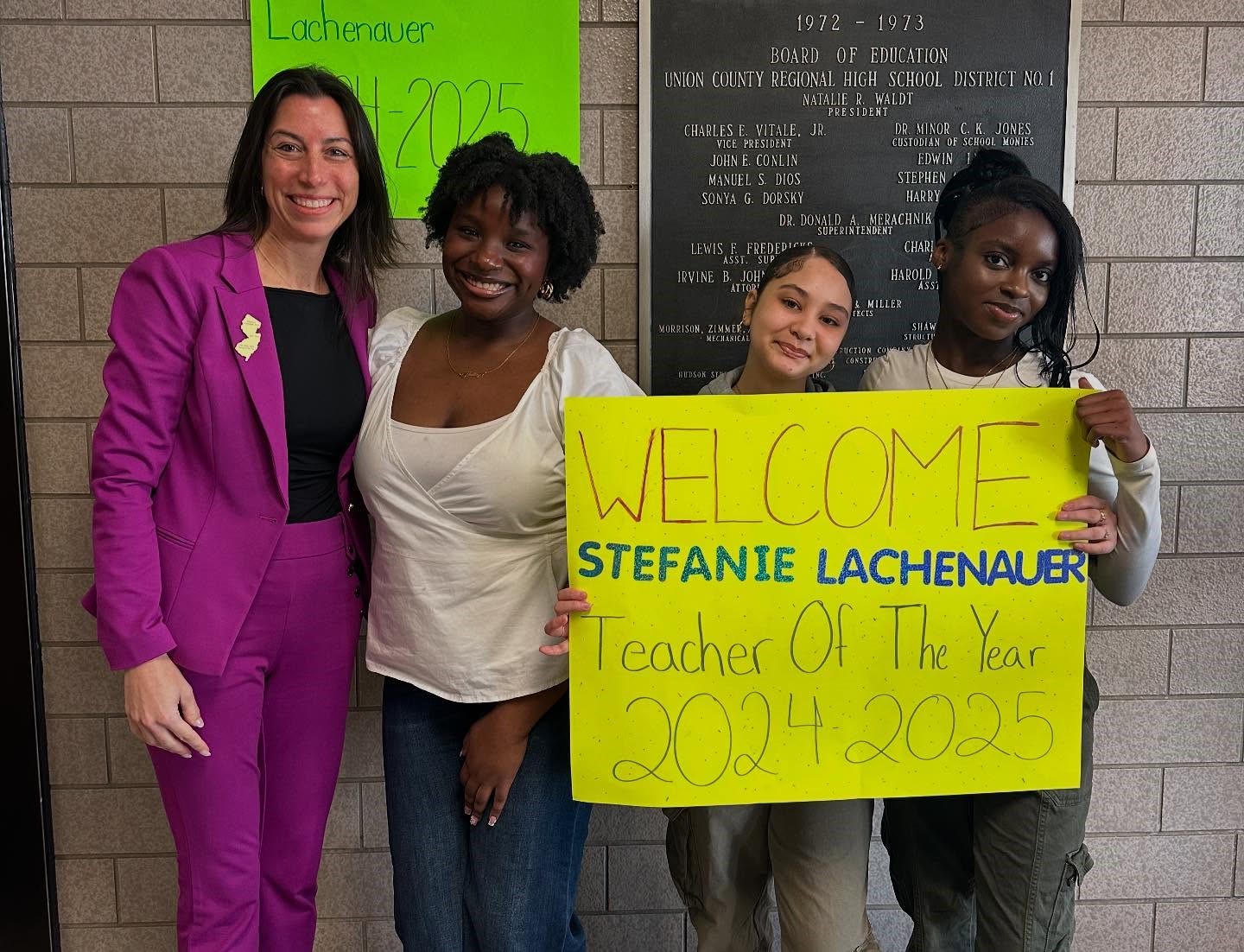
Stefanie’s strategy to trauma-informed training is rooted in a elementary mindset shift. “Being trauma-informed and trauma-sensitive actually is a mindset,” she says. “I actually by no means believed that there was such a factor as a nasty child. However having extra of a framework to work with is what actually supported and helped me.”
She discovered the Circle of Braveness framework—developed by Starr Commonwealth—particularly priceless. “I really like that as a result of it retains all the pieces centered, and it actually helps me to consider all totally different elements of that youngster’s life. That circle is among the most useful issues.” The Circle of Braveness emphasizes 4 common wants: belonging, mastery, independence, and generosity. When these wants are met, undesirable behaviors lower and college students really feel safer and extra linked.
Stefanie additionally deepened her experience by turning into a Trauma and Resilience Certified Specialist through Starr Commonwealth’s certification course. This coaching gave her sensible instruments to help college students affected by trauma, enhance classroom local weather, and foster resilience in each learner. “Once we take into consideration habits as communication, it’s speaking one thing to us. And it’s speaking that there’s an unmet want. So discovering that want actually modifications all the pieces.”
“We spend the primary 20 minutes on mindfulness.”
Right now, Stefanie’s classroom is a laboratory for resilience. She integrates play, mindfulness, and reflection into day by day routines. “I really like that play is in [the Starr Commonwealth system] as a result of ‘simply play’ is so essential,” she notes. “Children want that outlet to let that every one go.” Research helps this: Simply quarter-hour of play breaks can result in higher studying outcomes.
Her college has embraced mindfulness as a core observe. “All of the seventh graders at my college, they undergo the core abilities for fulfillment. We spend the primary 20 minutes on mindfulness—slightly mindfulness mini lesson. We do a few totally different practices, after which they’ve journaling reflection time.” This routine not solely helps college students regulate their feelings, but in addition builds self-awareness and a way of belonging.
She additionally helped launch Self-Care Days at her college, the place college students be taught coping abilities, stress administration, and govt functioning methods. Nowadays are actually an everyday a part of the varsity calendar, offering college students with instruments they will use all through their lives.
“Academics are a very powerful useful resource of that classroom.”
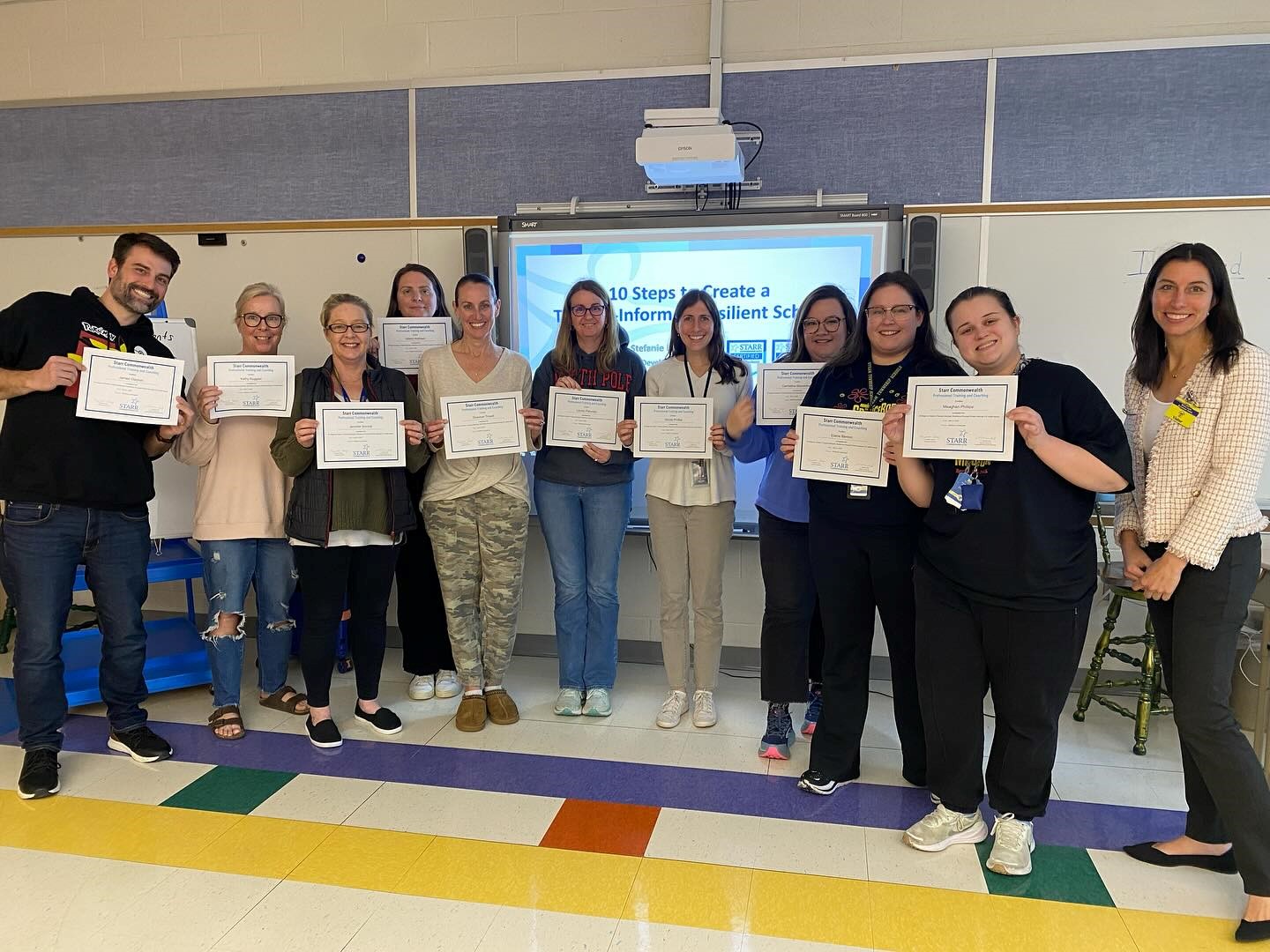
Stefanie’s work doesn’t cease together with her college students. She affords skilled improvement to her colleagues and has helped many turn out to be licensed trauma-informed specialists. She believes that instructor wellness and coaching is the inspiration of scholar success.
“Academics are a very powerful half, proper? They’re a very powerful useful resource of that classroom. In the event you don’t have academics who’re properly and wholesome and taking excellent care of themselves, then it’s not going to matter what cool, fancy instruments you could have in that classroom.”
Stefanie additionally emphasizes the significance of neighborhood and connection. “I at all times begin my trainings that approach too. I need to acknowledge the knowledge within the room. I need to acknowledge everybody’s backgrounds as we come collectively. There are going to be many alternatives the place I’m not going to have a solution. However all of us have totally different lived experiences, and I need to faucet into that, as a result of once we faucet into what’s in our studying area, we will accomplish that far more.”
“Earlier than we will educate and be taught, we’ve got to create the secure place.”
Stefanie Lachenauer’s journey is a testomony to the ability of trauma-informed educating. By specializing in security, belonging, and resilience, she has remodeled not solely her classroom however her whole college neighborhood. Her message to educators is obvious: “Earlier than we will educate and be taught, we’ve got to create the secure place, proper? When we’ve got the secure area, then we will add all the opposite stuff. So let’s maintain the inspiration first.”
Trauma-informed educating isn’t nearly methods or strategies, it’s about constructing genuine connections, assembly college students the place they’re, and believing of their potential to develop, heal, and succeed.
Deliver trauma-informed educating to your classroom.
Take the following step by exploring Starr Commonwealth’s Trauma and Resilience Specialist Certification. This self-paced, research-based coaching provides educators the instruments to higher perceive scholar habits, construct secure and supportive lecture rooms, and create significant, lasting change. In a world the place trauma is much too frequent, your coaching may be the distinction that helps each scholar thrive.
Take heed to all of Stefanie’s interview right here
On this episode of Resilience Issues, Stefanie shares her journey as a veteran educator main district-wide initiatives in mindfulness, SEL, and trauma-informed practices. From constructing empowering applications for center college college students to advocating for fairness and wellness statewide, she affords sensible methods and heartfelt insights for creating secure, supportive studying environments. Whether or not you’re a instructor, chief, or advocate, this dialog will depart you impressed to steer with compassion and goal.
To remain in contact with Stefanie, comply with her on Instagram, Facebook, or LinkedIn.
Trending Merchandise